

Step Voltage Regulator (SVR)
Inhouse product

-

Deep Sea Controller — DSE4620
ASK Price -
Cummins control moduel QSM1-DM/3408501X
ASK Price -
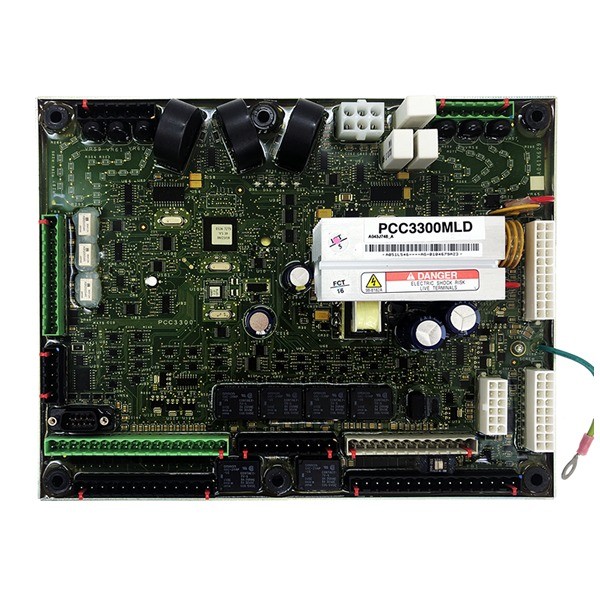
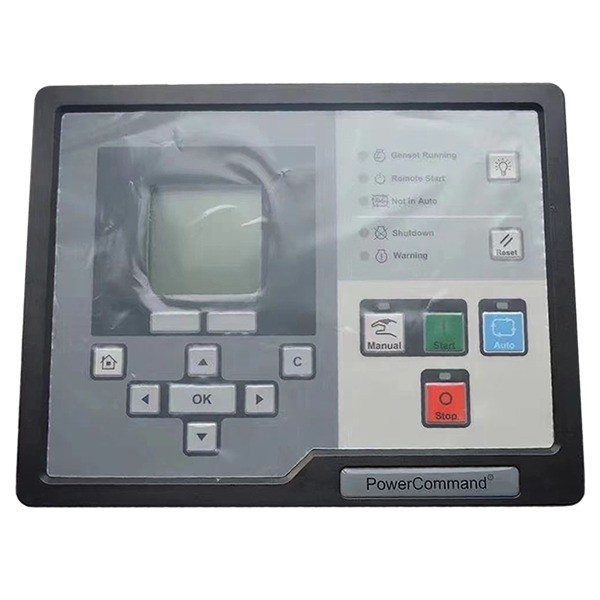
CUMMINS CONTROLLER PCC3300MLD
ASK Price



The step type voltage regulator takes an incoming voltage that will change with load settings and maintains a constant output voltage. The voltage will drop as the loading rises along the distribution feeder. This voltage drop decreases the amount of power used by the lighting portion of the load. By increasing the voltage to this lighting load, more power is used up. They control distribution line voltages from 10% increase (boost) to 10% lower (buck) in thirty-two steps of approximately 5/8% each. The 5/8% step voltage is now a typical industry standard. There is a full range from 2400 volts (60 kV BIL) to 34,500 volts (200 kV BIL) for 60 Hz and 50 Hz system voltages and current uses. These voltage regulators can be used in more than one system voltage due to internal potential winding taps and an external ratio correction transformer on all ratings. Smaller kVA sizes are provided with support lugs for pole mounting and with substation or platform tie-down provisions. Larger sizes are delivered with substation bases with pad-mounting provisions. Static controls and the microprocessor-based control panels keep the voltage within desired limits.

- Stainless steel tank construction that provides zero corrosion.
- Sealed tank with pressure relief device for gases to escape during tap changes
- External MOV-type bypass arrester that allows higher protection to the regulator series winding from surge and system transients.
- Oil sight gauge to check oil levels and oil conditions without de-energizing the regulator
- Motor capacitor installed in the control cabinet which gives replacement without bypassing and taking the regulator out of service.
- Polarized disconnect switch (PDS) facilitates quick control installation or change out without taking the regulator out of service.
- Cover mounted terminal block gives easier access to wiring without going under oil to change tap connections.
Related products

Automatic Voltage Regulator (AVR)
Signup For Newsletter
we'll never share your email address with a third-party
Be A Seller
Apply NowContact US
- Address: Elite House (6th floor),54, Motijheel C/A, Dhaka 1000.
- Phone: +8801737-042829
- Email: info@sellcobd.com